
NOW REFLECT
Decide with honest uncertainty
Has your judgment changed — and why?
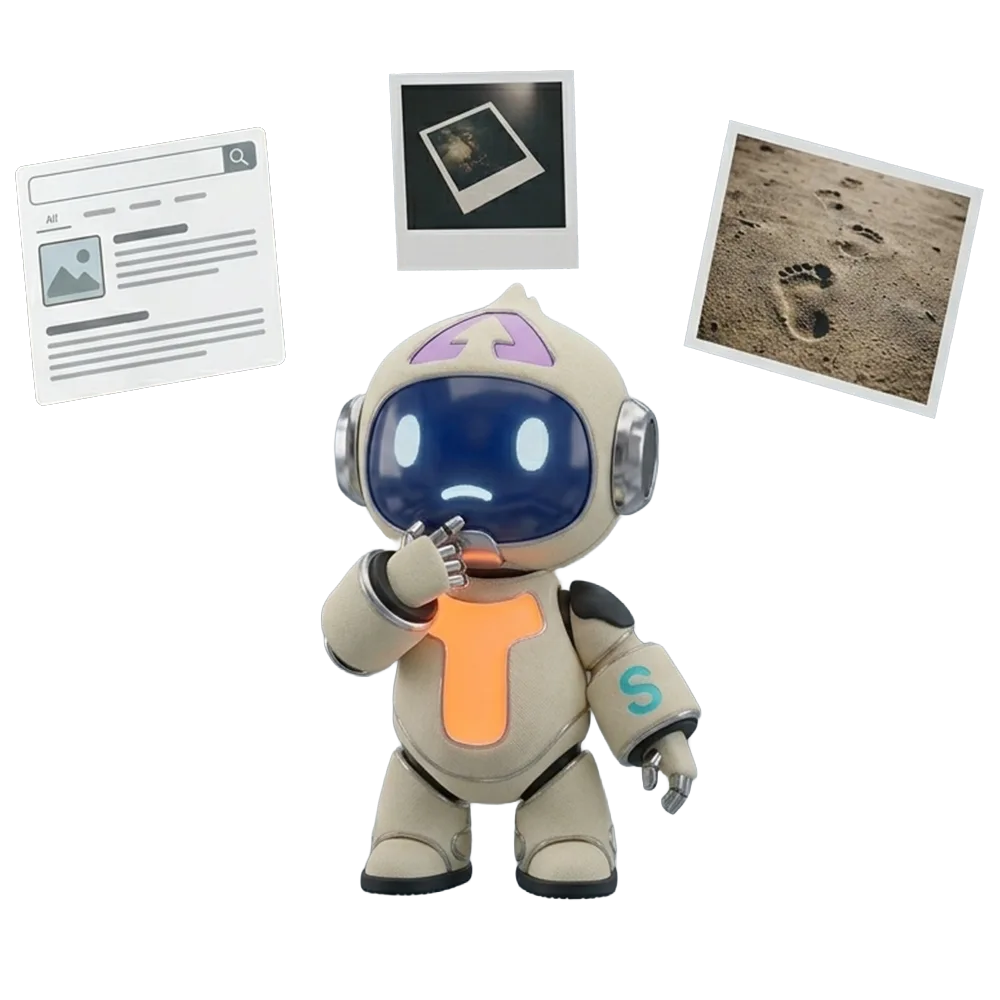
"I don't know yet" is a complete and honest answer. Uncertainty, properly calibrated, is protective.
Content generated with the help of Google Omni and Eleven Labs
The goal is calibrated trust, not blanket skepticism. Sophisticated manipulation doesn't only make you believe something false — it can also make you feel certain when you have no real basis for certainty, in either direction. Return to your gut check and ask honestly what changed, and whether your confidence now matches the evidence.
Ask yourself
Reflection prompts to use in the moment
- 1Has my judgment actually changed after scanning, and why?
- 2Am I now too quick to believe — or too quick to call something fake?
- 3If I couldn't complete Source, Content, or Alignment, I don't have enough yet.
- 4Is anything — time, emotion, opportunity — pushing me to act before I've checked?
Poorly calibrated confidence — feeling sure when the evidence doesn't support it — drives both the acceptance of falsehoods and the dismissal of true content. Being too skeptical is its own failure: when people reflexively call real evidence fake, it becomes easier to deny genuine events (the 'liar's dividend'). Reviews of news judgment find that doubting true news is often a bigger problem than believing false news. Calibrated trust means confidence that tracks the evidence — and with practice, these checks fade from a deliberate checklist into an automatic habit.
“"I don't know yet" is a complete and honest answer. Uncertainty, properly calibrated, is protective.”
Framework progress




Put this step into practice
You've read all five guides. Walk through a real case with Amito and apply what you've learned.
Start the guided lesson